Intensive Short-Term Dynamic Psychotherapy (ISTDP)
Sometimes we understand very well why we react in a certain way – and yet we still can’t bring ourselves to change it. We find ourselves in similar conflicts time and again; for example, we withdraw even though we long for closeness, or we experience feelings that are difficult to bear or make sense of. Such difficulties may stem from a variety of experiences and circumstances. Sometimes past relationship experiences play a part; at other times, it may be current conflicts or feelings that have not been given much attention until now.
My work focuses on gaining a better understanding of such recurring patterns. Together, we’ll explore the feelings and inner conflicts associated with them, which trigger anxiety and encourage avoidance strategies. We can discuss together which factors are important to you personally and whether ISTDP might be a suitable approach.

ISTDP offers an opportunity to:
- Better understand your feelings and emotional reactions.
- Recognise patterns that keep you stuck or cause difficulties.
- Overcome fears and emotional barriers.
- Feel more comfortable with your emotions instead of avoiding them.
- Improve your relationships with others.
- Reduce anxiety, depression and other emotional difficulties.
- Develop a stronger sense of self and greater inner freedom.
At a Glance
areas of focus
Emotional conflicts and interpersonal difficulties
therapeutic approaches
- Intensive short-term dynamic Psychotherapy (ISTDP)
format
Individual and couples sessions
qualification
- certified ISTDP Therapist / in Advanced Training
location
Berlin-Prenzlauer Berg and online
A combination of in-person and online sessions is available.
languages
German and English
Initial Consultation Fees
60 minutes: 180 € · 90 minutes: 270 €
appointments
Initial consultations by appointment
“The patient actual experience of their true feelings about the present and the past.”
– Habib Davanloo (1990), Unlocking the Unconscious: Selected Papers of Habib Davanloo
What does ISTDP stand for?
ISTDP stands for ‘Intensive Short-Term Dynamic Psychotherapy’. The approach was developed by Habib Davanloo and is one of the psychodynamic psychotherapy methods.
It focuses on understanding unconscious emotional conflicts and how we deal with feelings that may be difficult or conflict-ridden for us.
Over the course of our lives, we all develop ways of coping with distressing emotions. Sometimes we withdraw, explain situations to ourselves primarily through reason, or turn our emotions against ourselves. Such reactions can protect us. However, if they become entrenched, they can contribute to us repeatedly finding ourselves in similar difficulties.
In ISTDP, we take a closer look together: What do you perceive in a particular situation? What feelings or impulses are triggered within you? Do you notice any emerging symptoms of anxiety? And how do you react to them?
The aim is not to rush to identify specific feelings or to force anything. What matters is gaining a better understanding of your own experience and developing an appropriate way of dealing with it.
Understanding feelings, anxiety and defence mechanisms
A central model in ISTDP is the conflict triangle. It describes the relationship between feelings and impulses, anxiety and defence mechanisms.
Feelings and impulses can include, for example, affection, grief, anger or feelings of guilt. In certain situations, such feelings can be difficult to access or trigger internal conflicts – for example, when we long for closeness but at the same time fear rejection.
Anxiety can arise when feelings, needs or internal conflicts are experienced as threatening. It can manifest itself both physically, for example through tension or a racing heart, and psychologically. The specific reactions that occur depend on the level of anxiety and one’s own ability to regulate it.
Defence mechanisms are unconscious or partly conscious psychological processes through which people limit and regulate distressing feelings, internal conflicts or anxiety. This can manifest, for example, in withdrawal, excessive rumination, self-criticism or a lack of awareness of one’s own feelings. Defence mechanisms often serve a protective function. However, if certain reactions become very rigid, they can contribute to the repetition of distressing patterns.
These three areas influence one another. For example, when anger arises towards someone close to us, we may simultaneously worry that this will jeopardise the relationship. The anger may then be suppressed or turned inwards. Such interconnections can make it more difficult to recognise one’s own conflicting feelings and needs.
In ISTDP, we explore together what happens in emotionally significant situations: Which feelings or impulses are experienced? How does anxiety manifest itself? Which reactions help to cope with this anxiety? The aim is not simply to dissolve defences or to elicit the most intense feelings possible. Rather, it is to gain a better understanding of the function certain reactions serve and how a healthier way of dealing with feelings can be achieved.
The significance of past and present relationships
Our experiences with other people help shape what we expect from relationships and how we react to closeness, rejection, criticism or conflict. We are aware of some of these expectations, whilst others tend to manifest themselves in recurring feelings and behaviours.
The ‘triangle of relationships’ is a psychodynamic model that examines such connections between past relationship experiences, current relationships and the therapeutic relationship.
Perhaps you find it difficult to trust others, even though you long for a sense of connection. Perhaps you are quick to expect criticism or feel responsible for other people’s feelings. Such patterns can recur in different relationships.
Certain expectations or reactions may also become apparent within the therapeutic relationship. These can be examined together and understood in their context. The aim is not to attribute every difficulty to the past, but to discover what is actually significant for your present experience.
The conflict triangle helps us to understand the interplay between emotion, fear and defence mechanisms. The interpersonal triangle focuses on how such internal processes can manifest themselves in relationships.
ISTDP-oriented work with couples
Conflicts arise in couple relationships that are difficult to resolve. One person longs for greater closeness and communication, whilst the other feels under pressure and withdraws. This withdrawal, in turn, reinforces the feeling of not being important and may lead to further accusations or demands.
Both partners then react increasingly to one another. In the process, it is easy to lose sight of what each person is actually feeling, needing or fearing.
In a couples’ setting, we examine such recurring patterns together. What feelings lie behind an argument? What happens within each of you when the conflict escalates? Which defence mechanisms reinforce the dynamic between you?
Is ISTDP a form of short-term therapy?
“Short-term therapy” is part of the established terminology for this approach. However, this does not mean that treatment always consists of just a few sessions or is completed after a fixed period of time.
ISTDP focuses on emotional conflicts, anxiety and defences. The time required for this varies from person to person. It depends, amongst other things, on your concerns, your life situation, the complexity of the difficulties and the therapeutic goals we set together.
The frequency of sessions may also vary. As the therapy progresses, we will discuss which approach makes sense and how the therapy is developing.
How ISTDP Therapy Works
We get to know each other
In our initial session – on site in Berlin or online – you tell me what is relevant to you. What’s been weighing on you, what you’re hoping for, where you are right now.
I’ll walk you through my approach and we’ll figure out together whether and how I can support you. No pressure, no commitment.
Choosing the right format
Together we decide what fits your situation best: regular sessions over time, short-notice appointments during an acute crisis, or an intensive block format for deeper change in a concentrated period.
We work – and we adapt
Therapy isn’t a fixed program. We evaluate the process continuously and adjust methods, frequency, and format as you develop. The goal isn’t to do as much as possible but as little as necessary for you to actually feel the difference.
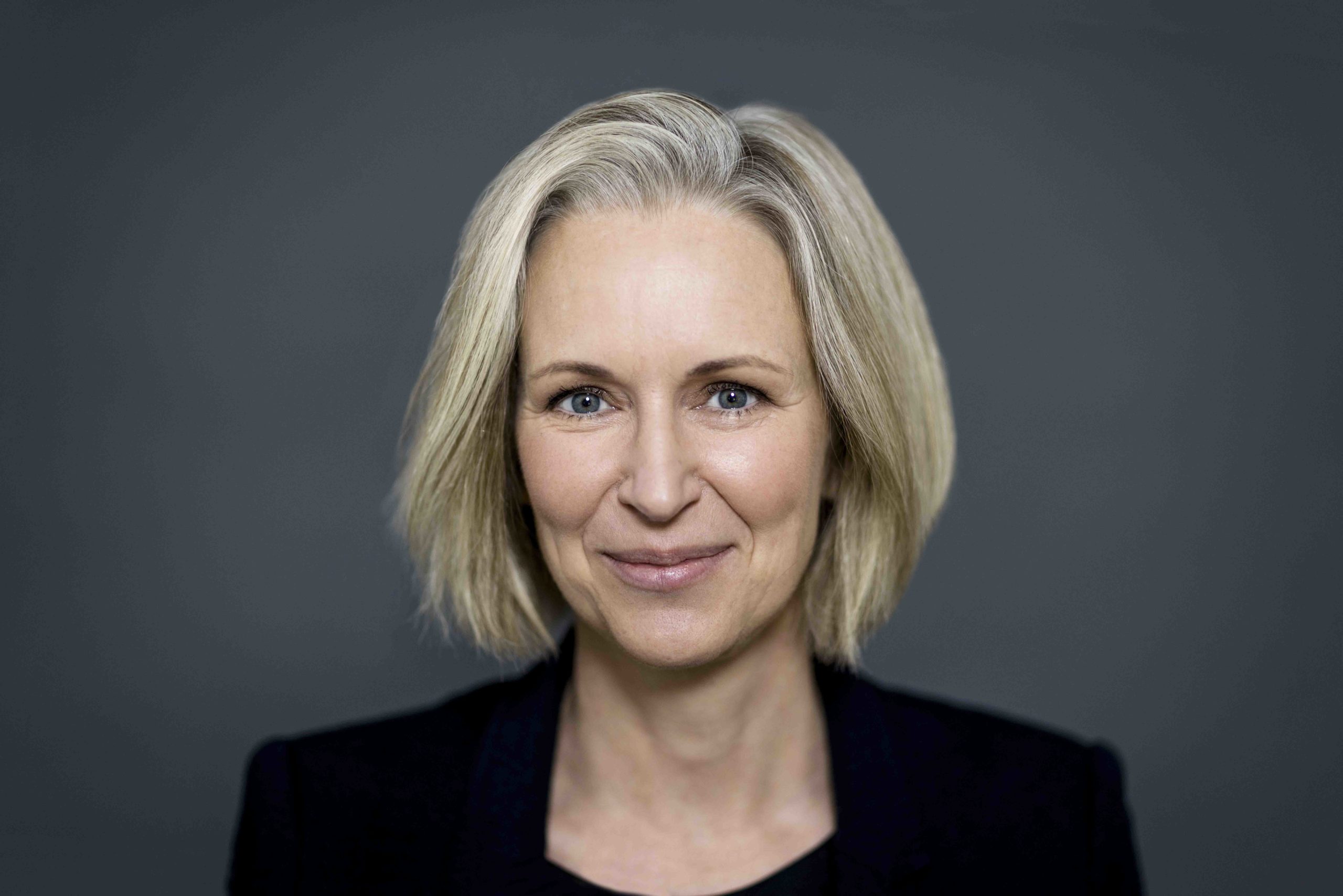
About me – Ina Koslowski
I have been working as a systemic therapist and coach since 2009, and have had my own private practice in Berlin since 2011. My psychotherapeutic specialism is Intensive Short-Term Dynamic Psychotherapy (ISTDP). In addition, I work with Emotion-Focused Therapy (EFT) as developed by Leslie S. Greenberg and Emotion-Focused Couples Therapy (EFT-C). My work centres on emotional experience, emotional processing and relationship dynamics. I place great value on scientific evidence, precision, authenticity, simplicity and openness. I’m committed to providing a safe, respectful, and collaborative therapeutic space where all people are welcome and valued, regardless of identity, background, beliefs, relationships, sexuality, or life experience.
Book an Intitial Consultation
If you would like to find out whether the ISTDP approach could be helpful for you, you can book an initial consultation. When booking an appointment, you will see all the available slots, which you can attend either in person in Berlin or online. Additional online-only appointments are marked in red.
A 60-minute initial consultation costs €180. Alternatively, you can book a 90-minute initial consultation for €270. The fee for follow-up sessions will be discussed during the initial consultation. Please note that psychotherapeutic services are exempt from VAT; for coaching and counselling services, an additional 19% VAT is charged.
Appointments cancelled or rescheduled by telephone or email at least 48 hours in advance will not be charged. In the event of a last-minute cancellation or a no-show, the agreed private fee may be charged. The cancellation fee is equal to the previously agreed private fee.
Book an initial consultation of 60 or 90 minutes directly here via the practice’s booking system:
Book your 60-minute Initial Session
Book your 90-minute Initial Session
Professional Notice
All services offered by this private practice are provided within the scope of my work as a non-medical practitioner, limited to the field of psychotherapy, in accordance with the Non-Medical Practitioners Act (HPG).
As such, I do not offer psychological or medical diagnosis, nor do I prepare medical reports or expert opinions; I do not provide medical treatment, prescribe medication, or treat severe psychological and psychiatric conditions that require care from a registered psychotherapist or specialist doctor.
Memberships